
Views: 0 Author: Site Editor Publish Time: 2026-07-07 Origin: Site


Tencel vs. Bamboo vs. Cotton:
The Ultimate 2026 Home Textile Selection Guide
For sourcing managers, product developers, and bedding market buyers, choosing the foundational textile for a bedding collection isn't just about hand-feel—it's a critical financial and operational decision. Selecting the wrong material can lead to high fabric shrinkage, excessive customer returns, or eroded profit margins.
Today, three dominant fibers rule the premium eco-friendly bedding market: Tencel , Bamboo, and Cotton . While competitive retail blogs focus purely on consumer aesthetics, this guide deconstructs these materials from a commercial manufacturing lens, analyzing technical performance, lifecycle durability, and wholesale cost structures.
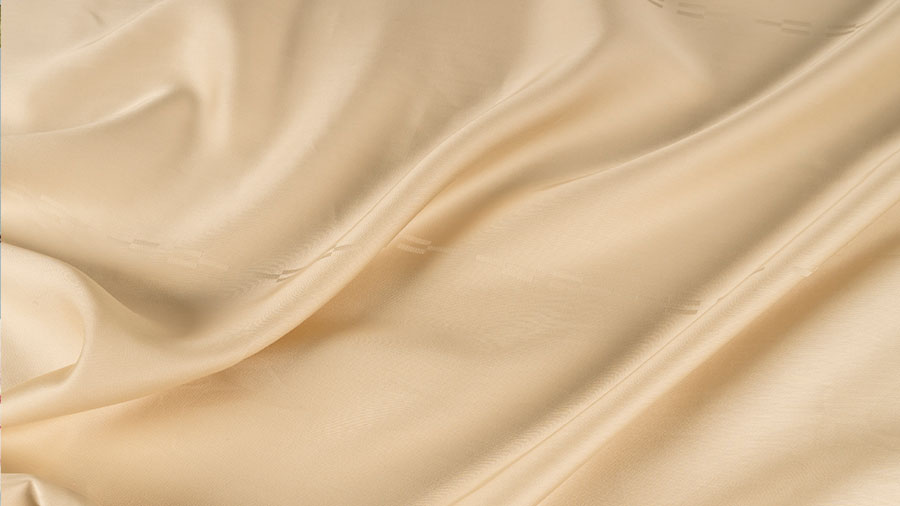
Tencel™ is a registered trademark of the Austrian company Lenzing, specializing in the production of Lyocell and Modal fibers. Tencel is a 100% pure natural material, It has the comfort of cotton, the strength of polyester, the luxurious beauty of woolen fabric, and the unique touch and soft drape of real silk, making it extremely resilient in both dry and wet conditions.
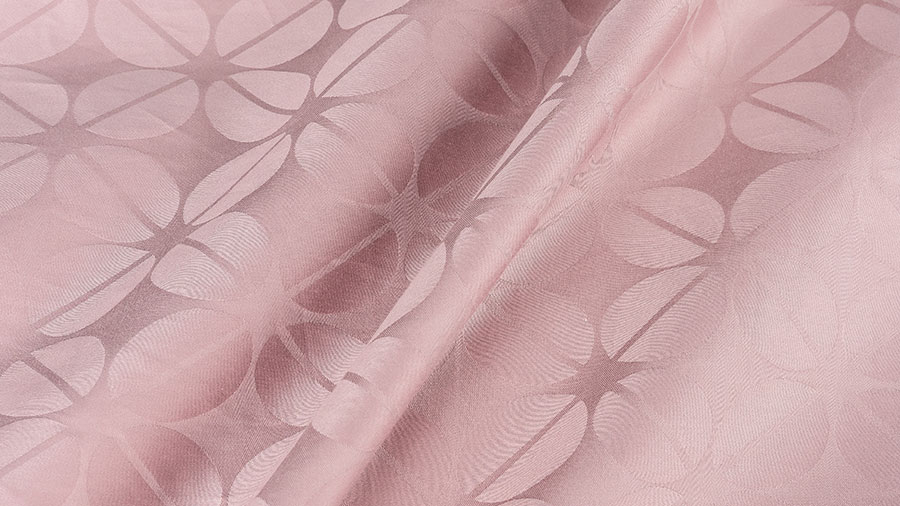
Bamboo fiber is a type of cellulose fiber extracted from naturally growing bamboo, which has good breathability, instant water absorption, strong wear resistance, and good dyeing properties. At the same time, it also has natural antibacterial, bacteriostatic, deodorizing, and UV resistant functions. It is a truly natural and environmentally friendly green fiber.

Cotton remains the global benchmark for home textiles. Derived from the seedpods of the gossypium plant, its quality is determined entirely by staple length. Long-staple and extra-long-staple (ELS) cotton fibers (like Egyptian or Pima) create strong, fine yarns that lack the chemical processing of regenerated cellulosics.
A common trap for private label brands is prioritizing low initial per-yard fabric costs while ignoring the long-term cost per wash cycle. Let's analyze how these fabrics perform under commercial pressures.
Tencel: Possesses exceptional wet and dry tensile strength. Unlike other cellulosic fibers, Tencel retains its structural integrity when wet, making it highly resistant to the rigorous friction of industrial washing machines. It resists pilling and fiber shedding better than rayon.
Bamboo: Exceptionally soft but structurally vulnerable when saturated with water. Bamboo rayon requires gentle laundering cycles. If exposed to harsh industrial bleaching or high heat drying, the fibers weaken quickly, reducing the lifespan of hotel linens.
Cotton: The undisputed champion of classic durability. Long-staple combed cotton actually becomes softer and more pliable with consecutive wash cycles. It handles high-temperature sanitization and commercial pressing without losing tensile strength.
Cotton (Standard to Organic): Offers the most flexible pricing tier. Standard combed cotton yields excellent profit margins for mid-tier retail. GOTS-certified organic cotton carries a 15–25% premium but commands strong retail markups.
Bamboo: Highly cost-competitive in the eco-luxury sector. Yields high fabric-to-weight efficiency, making it an affordable entry point for brands marketing "green luxury."
Tencel: Represents the highest initial wholesale procurement cost due to Lenzing’s strict intellectual property and closed-loop environmental overhead. However, its premium price point is offset by its high marketing conversion rate in the luxury wellness sector.
This standardized matrix contrasts the vital physical characteristics required for high-end home textiles.
| Technical Metric | Tencel | Bamboo | Cotton |
| Moisture Absorption | Excellent (50% higher than cotton) | Outstanding (Highly porous) | Good (Natural breathability) |
| Shrinkage Rate | Minimal (Est. 1% – 2%) | High (Est. 4% – 6% without stabilization) | Moderate (Est. 3% – 4% if untreated) |
| Pilling Resistance | High (Smooth filament structure) | Moderate (Requires enzyme washing) | High (If combed long-staple) |
| Color Retention | Vibrant (Deep dye absorption) | Moderate (Prone to minor fading) | High (Excellent reactive dyeing) |
| best for | Summer and humid environment | Tropical area and warm-season | All-Season Versatility |
To maximize your return on investment (ROI), align your fabric selection with your specific B2B business model and market demographics:
You are targeting the ultra-premium wellness and skincare retail demographics. Its zero-friction texture and impeccable eco-credentials justify a higher retail price point, making it perfect for direct-to-consumer (DTC) private labels focusing on luxury sleep tech.
You are catering to hot climates or developing a specialized line of "cooling bedding." Bamboo’s superior capillary action pulls sweat away from the body instantly. It offers an optimal balance of premium eco-claims and affordable bulk production costs.
You are sourcing for high-turnover hospitality chains, hotels, or traditional retail lines where long-term durability, frequent hot-water bleaching, and classical crispness are non-negotiable.
There is no singular "best" fabric; there is only the right fabric for your brand's balance sheet and consumer expectations. Many modern brands are successfully bypassing traditional limitations by utilizing custom cross-blends, such as a Tencel-Cotton hybrid that captures the durability of cotton alongside the silky drape of lyocell.
Operating from our advanced textile mill equipped with a dedicated, clutter-free quality control testing laboratory, we specialize in high-performance weaving for international markets. We carry verified OEKO-TEX Standard 100, BSCI, and GRS certificates to guarantee seamless customs clearance.
OEM / ODM bedding service, flexible MOQ and stable export supply for global buyers.
Request Quote


